
Understanding Medtech and Healthcare Software: How Technology is Reshaping Care
Healthcare is evolving, driven by the quiet but powerful force of medical technology (Medtech) and specialized software. From diagnostic tools to patient management systems, these innovations are fundamentally changing how medical professionals deliver care, how patients interact with their health, and how healthcare o
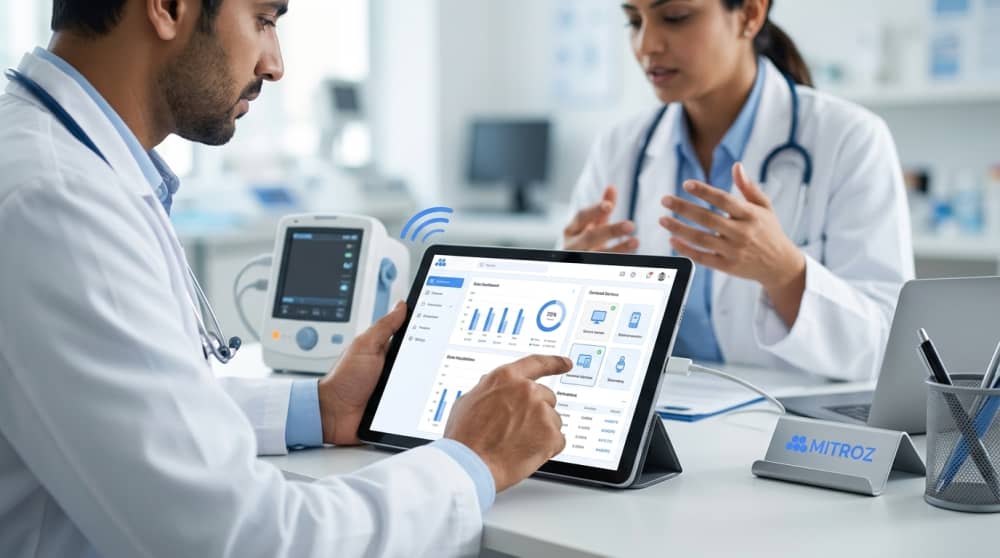
Healthcare is undergoing a profound transformation, propelled by advancements in medical technology (Medtech) and specialized software. These digital tools are no longer just supplementary; they are becoming integral to diagnosis, treatment, and patient management. For doctors, patients, and anyone involved in the medical field, understanding the mechanics of this software is crucial to navigating modern healthcare.
What Exactly is Medtech and Healthcare Software?
At its core, Medtech software refers to applications and systems designed specifically for medical purposes. This encompasses a vast range of solutions, from the embedded software within a surgical robot to the cloud-based platform managing an entire hospital's operations. The common thread is their application in improving health outcomes, streamlining clinical workflows, and enhancing patient experiences.
This software isn't a monolithic entity. It operates across various layers of the healthcare ecosystem, each designed to solve specific problems with precision and reliability. Consider the journey of a patient: from initial consultation, through diagnosis and treatment, to recovery and follow-up. Software touches nearly every point along this path.
How Medtech Software Works Across the Healthcare Spectrum
Medtech and healthcare software function by collecting, processing, and presenting critical data in a usable format. This often involves complex algorithms, secure data transfer protocols (like HL7 and DICOM for imaging), and intuitive user interfaces tailored for medical professionals and patients alike. The aim is always to provide actionable insights or automate routine tasks, thereby freeing up human expertise for more complex decisions.
Let's break down its impact on different stakeholders:
For Doctors and Clinicians: Enhancing Diagnostics and Treatment
For medical professionals, specialized software acts as an extension of their expertise, offering new capabilities and greater efficiency. Here’s how it typically works:
- Electronic Health Records (EHRs): These systems digitize patient information, including medical history, lab results, diagnoses, and treatment plans. Doctors use EHRs to quickly access comprehensive patient data, ensure continuity of care, and make informed decisions. An integrated EHR, for instance, allows a specialist to view a patient's primary care physician's notes and medication list instantly, avoiding duplicate tests or potential drug interactions.
- Remote Patient Monitoring (RPM): Software connects to wearable devices or home monitoring equipment (like smart blood pressure cuffs or glucose meters). It collects vital signs and other health metrics, transmitting them securely to the clinical team. A cardiologist might receive an alert from an RPM system if a patient's heart rate deviates from a safe range, allowing for timely intervention without an in-person visit.
- Advanced Imaging and Diagnostic Software: Beyond simply capturing images, software helps radiologists analyze X-rays, MRIs, and CT scans. AI-powered algorithms, for example, can flag suspicious anomalies that a human eye might miss, improving diagnostic accuracy and speed. This could involve software highlighting a small nodule on a lung scan for further review.
For Patients: Empowering Engagement and Convenience
Patients are increasingly active participants in their own health journeys, and software facilitates this involvement:
- Telehealth Platforms: These applications enable virtual consultations, allowing patients to connect with doctors via video, audio, or secure messaging from home. A patient with a chronic condition can have a follow-up appointment with their specialist without the hassle of travel, receiving a diagnosis or prescription directly through the platform.
- Patient Portals: Secure online platforms provide patients access to their medical records, lab results, appointment scheduling, and prescription refill requests. Patients can review their latest blood test results, ask their doctor a non-urgent question, or manage appointments from their smartphone.
- Health and Wellness Apps: While not always "Medtech" in the strictest sense, many apps, especially those connected to wearables, collect personal health data. They help patients track fitness, sleep, nutrition, and even chronic condition parameters like blood sugar. Software can provide personalized insights, such as recommending activity levels based on heart rate data.
For Healthcare Operations: Streamlining Management and Efficiency
Behind the scenes, robust software keeps hospitals and clinics running smoothly:
- Hospital Information Systems (HIS): These comprehensive platforms manage administrative, financial, and clinical aspects of hospital operations. This includes patient registration, bed management, billing, and resource allocation. An HIS ensures that when a new patient arrives, their admission process is swift, their room is ready, and billing information is accurately captured.
- Supply Chain Management Software: Healthcare facilities rely on an uninterrupted supply of medicines, equipment, and consumables. Software optimizes inventory, tracks usage, and automates reordering. This prevents critical shortages, ensuring that necessary items are always available when needed, such as sterile gloves for surgery.
- Billing and Revenue Cycle Management: Complex software handles insurance claims, patient billing, and payment processing. It helps healthcare providers manage the financial aspects efficiently, ensuring accurate invoicing and timely reimbursement.
The Foundation of Reliability: Why Engineering Depth Matters
The effective functioning of Medtech and healthcare software hinges on its underlying engineering. These systems must be dependable, secure, and compliant with stringent regulatory standards (like HIPAA, GDPR, or FDA regulations). Software engineering partners, like Mitroz, specialize in building these workflow-driven platforms. They focus on architecting solutions that seamlessly integrate with existing systems, process sensitive data with utmost security, and maintain high availability—because in healthcare, software failure can have serious consequences. Developing such systems requires a deep understanding of medical contexts, regulatory frameworks, and advanced technology.
Looking Ahead: The Future is Integrated
Medtech and healthcare software are constantly evolving. We're seeing increased integration between different systems, leveraging Artificial Intelligence (AI) for predictive analytics and personalized medicine, and expanding the reach of healthcare through IoT devices. The goal remains consistent: to create a more efficient, accessible, and patient-centric healthcare system. For everyone in the medical community, embracing and understanding these technological shifts is essential for delivering the best possible care.