
Data architecture and modeling
Structure product, workflow, device, document, and operational data so teams can trust what they see.
We help healthcare, medtech, and enterprise teams connect data sources, build reporting layers, and add practical AI where it improves real product and operational work.
Supporting healthcare, MedTech, enterprise, and digital product teams with dependable software delivery.












Dashboards and AI features only become useful when the underlying data is structured, traceable, connected, and aligned with how the product actually works.
Structure product, workflow, device, document, and operational data so teams can trust what they see.
Build reporting layers, dashboards, exports, and visibility tools for product, operations, and leadership teams.
Connect applications, portals, devices, databases, CRMs, ERPs, and third-party platforms into dependable data flows.
Capture and process device data, test results, status events, forms, documents, and review activity.
Add AI-assisted search, summarization, triage, review support, and recommendations where it creates real operational value.
Improve traceability, auditability, validation, access control, and data reliability across complex software platforms.
We focus on data flows that help teams understand activity, reduce manual review, support decisions, and keep operations visible.
Graphs, measurements, patient records, test sessions, device states, reports, and clinical product visibility.
Applications, quotes, documents, reviews, audit stages, reminders, roles, renewals, and operational accountability.
Sensor data, BLE events, status changes, alerts, mobile guidance, and product usage intelligence.
Understand systems, users, workflows, data ownership, integrations, and reporting needs.
Define entities, events, permissions, data quality rules, and the structure needed for reliable reporting.
Implement APIs, pipelines, dashboards, exports, automations, and the backend services behind them.
Introduce AI carefully for search, summaries, triage, recommendations, or decision support only where useful.
Monitor data flows, improve performance, refine reports, and support new product decisions over time.
A focused set of healthcare and operational platforms where product complexity, workflow depth, and engineering reliability mattered more than shipping another generic application.
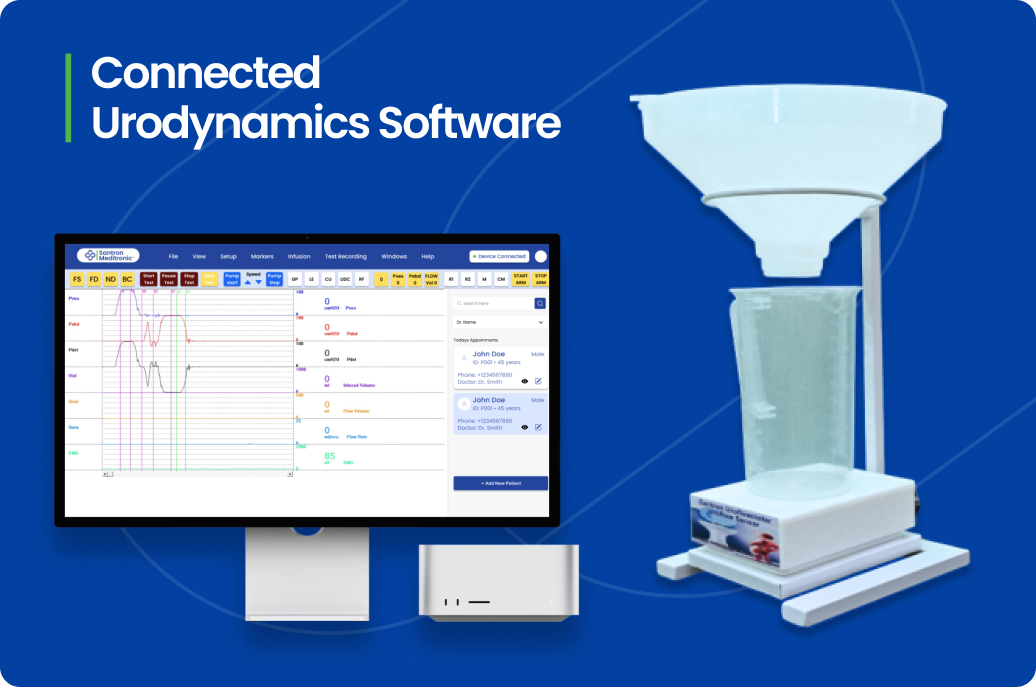 Santron Meditronic software screen
 Legacy C++ urodynamics software rebuilt in C# .NET with connected diagnostic workflows.
Read case study →.png) Zenith software screen
Zenith software screen Certification workflow platform for applications, quotations, audits, reviews, certificates, and renewals.
Read case study →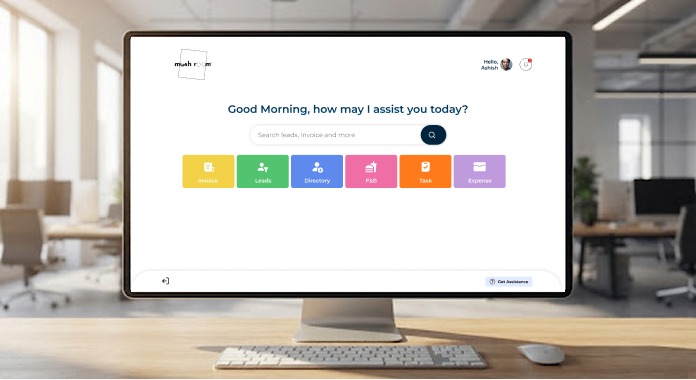 Mushroom Spaces software screen
 End-to-end workspace management platform for members, bookings, inventory, invoices, F&B services, and analytics.
Read case study →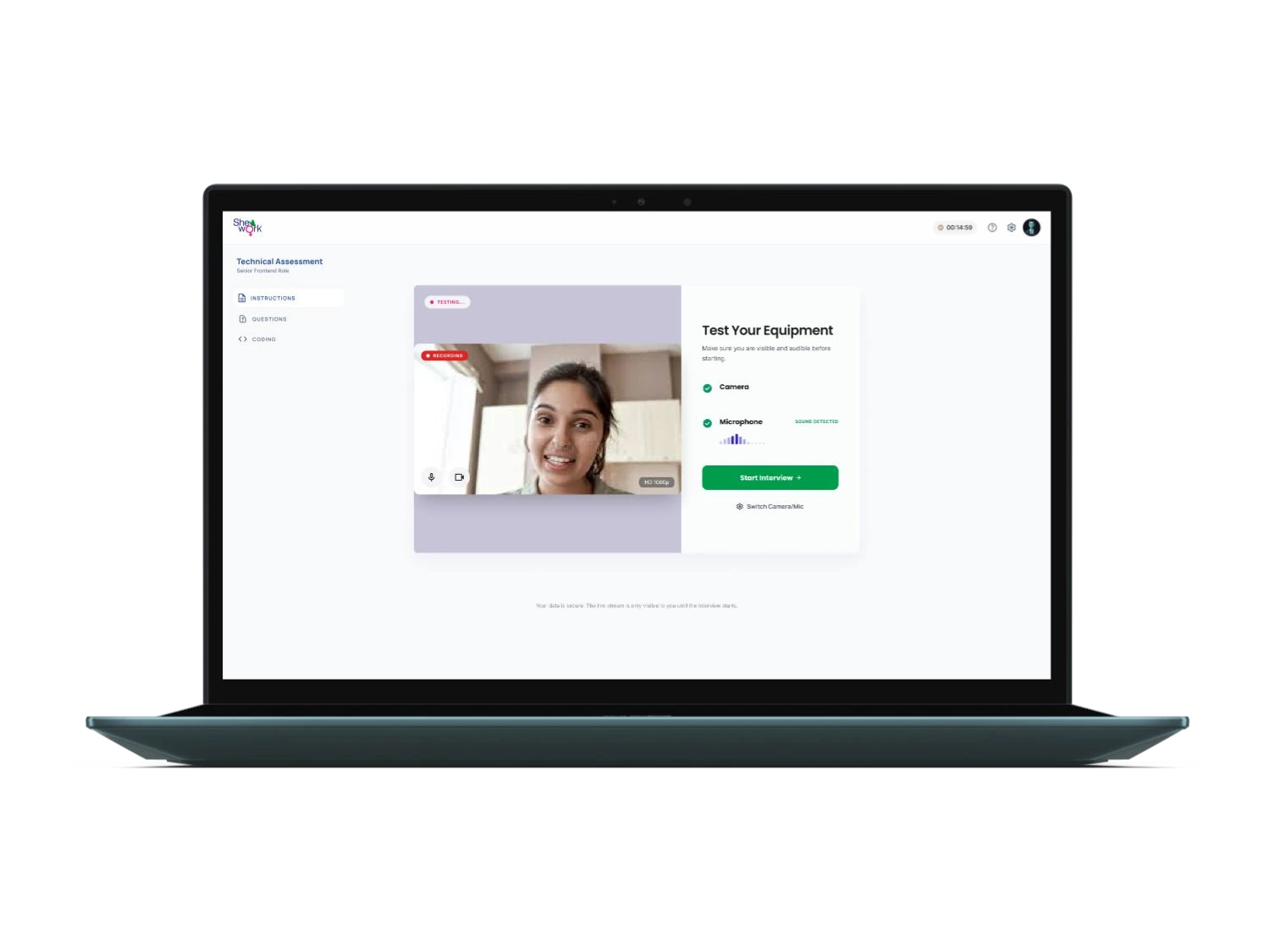 AI Interview Platform software screen
 AI-powered recruitment SaaS with two portals, 30+ intelligence modules, multi-modal evaluation, assessments, and reports.
Read case study →Data engineering is the work of collecting, structuring, integrating, moving, validating, and exposing data so software products and teams can use it reliably.
Yes, when it makes sense. We usually start by understanding the workflow and data quality, then add practical AI for search, summaries, triage, recommendations, or review support.
Yes. We build operational dashboards, product reporting, exports, role-based views, and data visibility layers for web, mobile, and internal platforms.
Yes. Our work includes diagnostic software, connected healthcare applications, device workflows, reports, records, and data integrations.
We treat AI as a workflow tool, not a slogan. If rules, reporting, automation, or better UX solves the problem more reliably, we recommend that instead.
Share your workflows and data sources. We will help shape a realistic engineering path.
Discuss data engineering