
Manual testing
Hands-on testing for workflows, edge cases, usability, regression, role behavior, data entry, and user journeys.
We help teams improve release confidence across web apps, mobile apps, healthcare software, enterprise workflow platforms, APIs, integrations, and product modernization.
Supporting healthcare, MedTech, enterprise, and digital product teams with dependable software delivery.











In complex systems, defects are often hiding in permissions, integrations, edge cases, reports, device states, data flows, and long workflows. We test with the operation in mind.
Hands-on testing for workflows, edge cases, usability, regression, role behavior, data entry, and user journeys.
Reusable automated test coverage for stable workflows, regression suites, web apps, APIs, and release confidence.
Validate that features, business rules, permissions, forms, dashboards, reports, and integrations behave correctly.
Review response times, load behavior, bottlenecks, browser performance, API behavior, and release readiness.
Support checks around access, authentication, authorization, input handling, sensitive workflows, and basic vulnerability risks.
Clear defect reports, severity, reproduction steps, release risks, recommendations, and retesting status.
The goal is simple: know what is tested, what is risky, what is blocked, and what is safe enough to release.
Review workflows, users, roles, integrations, release goals, business rules, and areas where defects would hurt.
Define test scenarios, priority areas, environments, devices, automation fit, and reporting structure.
Execute manual and automated testing, document issues clearly, classify severity, and support retesting.
Track regression, release readiness, quality trends, and practical recommendations for future stability.
A focused set of healthcare and operational platforms where product complexity, workflow depth, and engineering reliability mattered more than shipping another generic application.
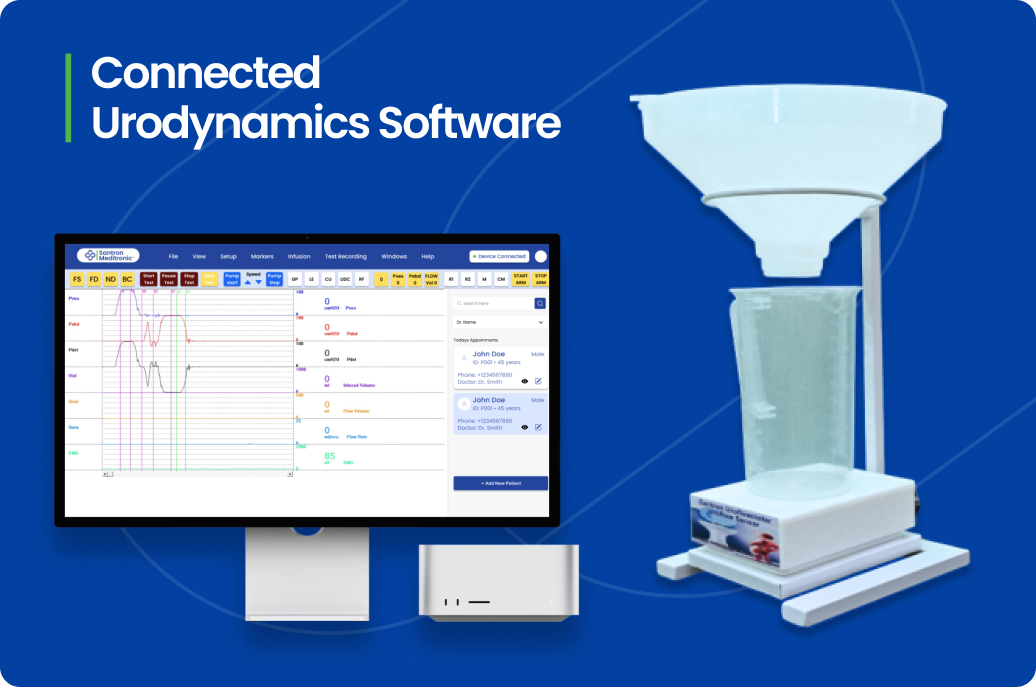 Santron Meditronic software screen
 Legacy C++ urodynamics software rebuilt in C# .NET with connected diagnostic workflows.
Read case study →.png) Zenith software screen
Zenith software screen Certification workflow platform for applications, quotations, audits, reviews, certificates, and renewals.
Read case study →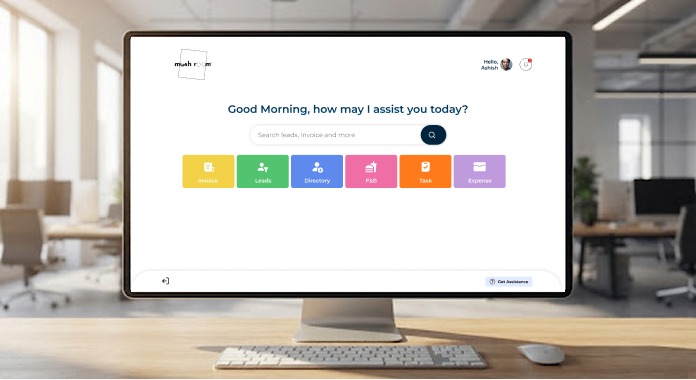 Mushroom Spaces software screen
 End-to-end workspace management platform for members, bookings, inventory, invoices, F&B services, and analytics.
Read case study →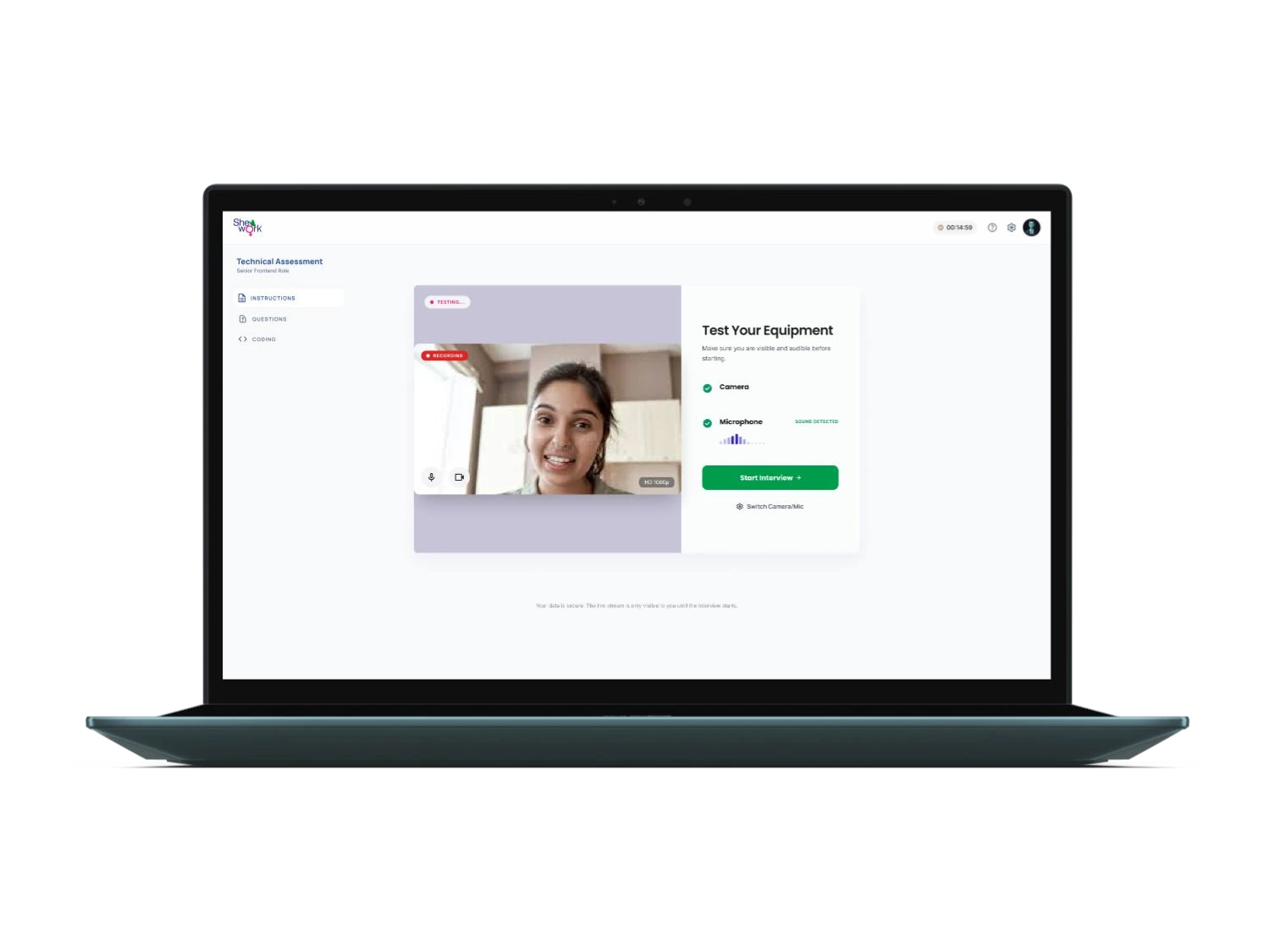 AI Interview Platform software screen
 AI-powered recruitment SaaS with two portals, 30+ intelligence modules, multi-modal evaluation, assessments, and reports.
Read case study →QA helps verify that the application works reliably, supports the intended workflow, and reduces the risk of defects reaching users.
We test web applications, mobile apps, SaaS platforms, enterprise workflow systems, dashboards, APIs, and healthcare or connected-device workflows.
Manual testing is performed by testers who explore workflows and validate behavior. Automated testing uses scripts to repeatedly check stable workflows and regressions.
Yes. We can support dedicated QA involvement, project-based testing, regression support, or QA resources that work with your engineering team.
We provide defect details, reproduction steps, severity, screenshots or evidence where useful, release risks, retesting status, and practical recommendations.
Share the product context and we will help identify the right testing approach.
Discuss QA support