
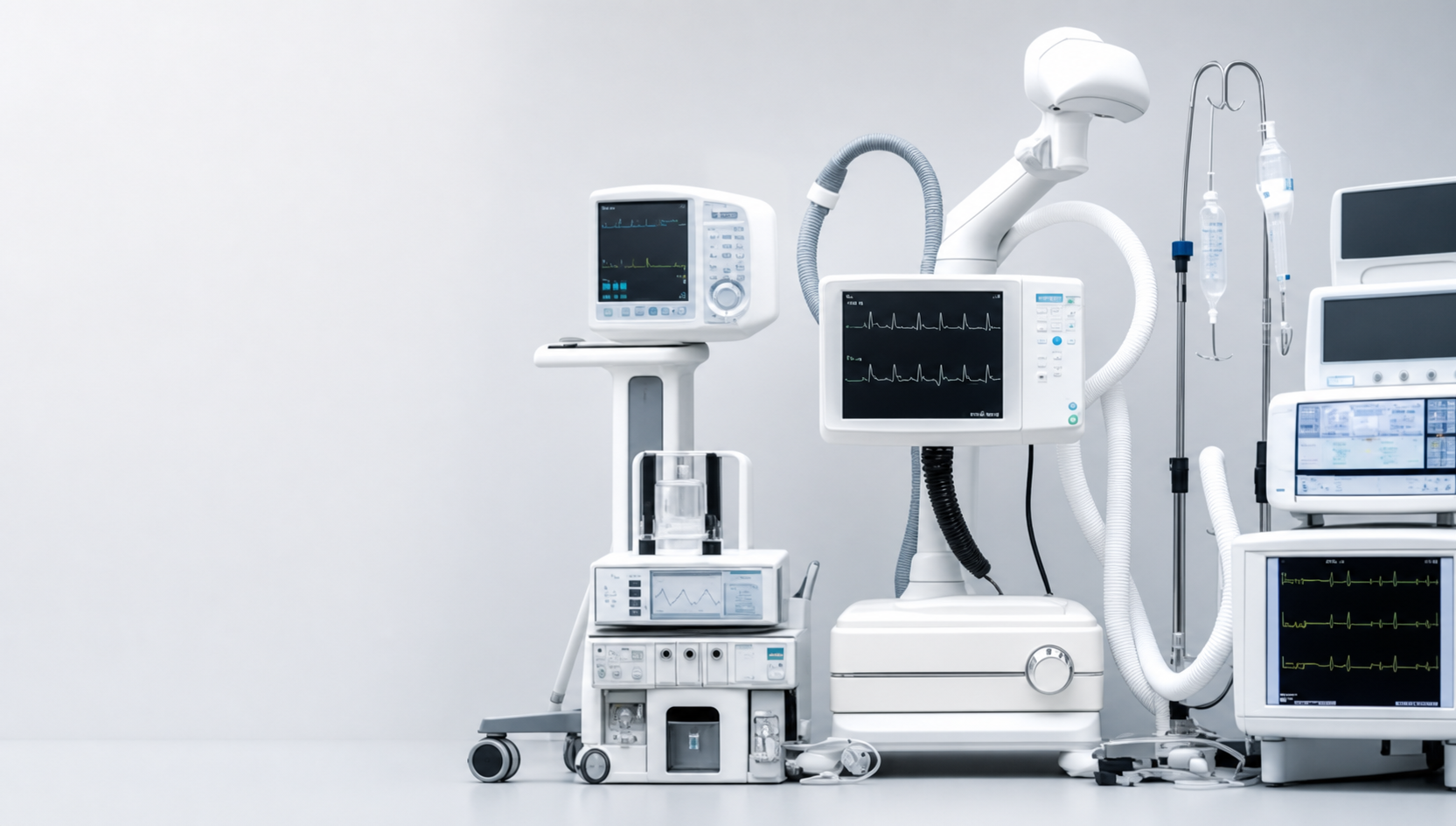
Industries / Medtech software engineering Medtech software engineering for connected
Medtech software engineering for connected
devices and clinical operations
We help medical-device, healthcare IoT, and clinical operations teams design, modernize, and build dependable software around devices, data, workflows, and integrations.
Trusted partners
A Trusted Technology Partner Across Industries
Supporting healthcare, MedTech, enterprise, and digital product teams with dependable software delivery.







Healthcare software needs more than generic app development
Medtech products need software that connects device behavior, clinical workflows, data, integrations, and long-term product support.
Mitroz helps teams rebuild legacy products, create connected-device workflows, develop healthcare IoT applications, and build operational platforms that remain useful after launch.
- Device workflows
- Clinical data
- Interoperability
- Modernization
Medtech software development services
Engineering services for healthcare product and operations teams
We keep the work specific to medtech while connecting naturally to custom software development, mobile app development, web app development, cloud engineering, integrations, AI, and modernization.
See related case studies →Medical device software development
Custom desktop, web, and tablet software around diagnostic equipment, device workflows, and clinical product needs.
Healthcare IoT app development
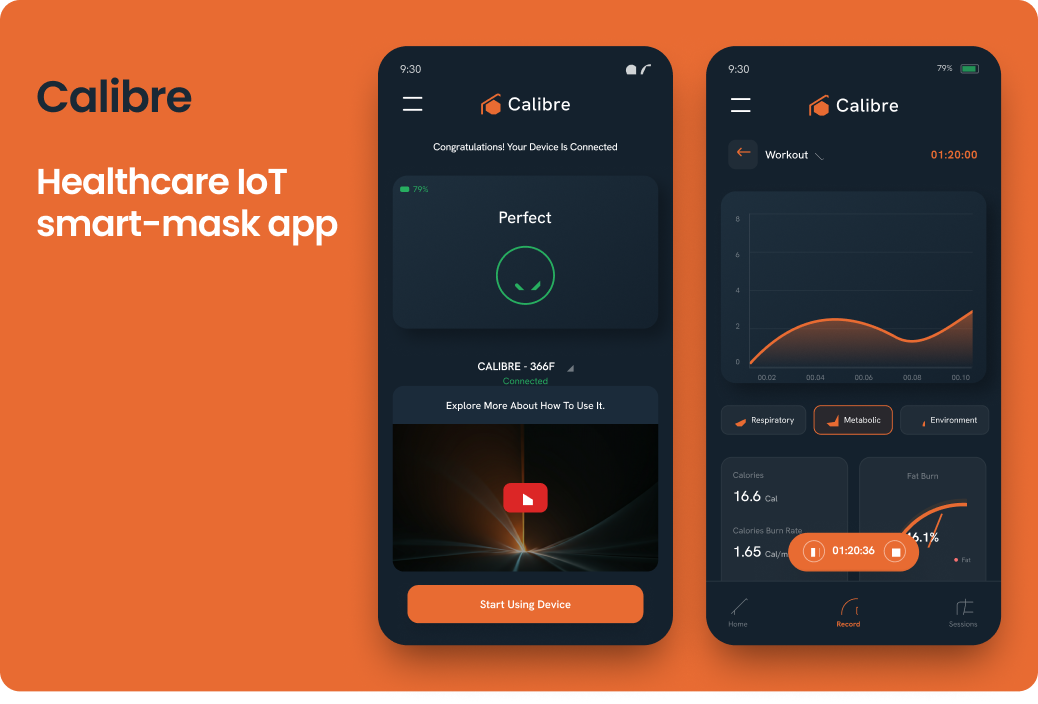
Mobile and web applications for connected devices, BLE workflows, sensor data, status, alerts, and user guidance.
Clinical workflow software
Patient databases, test workflows, reporting flows, review tools, and operational software for healthcare teams.
HL7 and DICOM integration
Interoperability support for systems that need to exchange clinical data, diagnostic files, reports, and patient information.
Legacy product modernization
Rebuild established healthcare software while preserving domain logic, workflows, and product behavior users already rely on.
Patient database and reporting systems
Structured records, test history, reports, exports, and interfaces that help teams manage clinical information.
Mobile and tablet healthcare apps
Companion applications for clinicians, patients, field teams, and connected-device workflows.
Practical AI for healthcare workflows
AI-assisted workflows where there is a clear value in triage, review, support, summarization, or operational efficiency.
Connected medtech system
One product experience often depends on several engineering layers
The work is not only building screens. Reliable medtech software usually needs device communication, clinical workflow design, interoperability, operational logic, and long-term maintainability moving together.
Device layer
BLE, diagnostic devices, sensor events
Clinical workflow
Patient records, tests, reports, reviews
Integration layer
HL7, DICOM, APIs, exports
Product experience
Desktop, tablet, mobile, web
Who we help
For teams dealing with product, workflow, and operational complexity
The best fit is usually a team that has outgrown simple apps and needs software shaped around devices, clinical processes, integrations, roles, and operational accountability.
Complex healthcare software with real workflow depth
Product teams that need engineering judgment across devices, data, roles, reviews, integrations, and long-term support.
Medical-device manufacturers
Teams building software around diagnostic devices, connected equipment, and clinical product portfolios.
Diagnostic equipment companies
Organizations modernizing specialist software for testing, visualization, reporting, and review workflows.
Healthcare IoT startups
Product teams turning connected-device ideas into usable mobile, web, and cloud experiences.
Clinical operations teams
Healthcare businesses replacing manual processes with dependable internal workflow platforms.
Certification-heavy healthcare businesses
Teams that need software shaped around documents, roles, reviews, traceability, and renewal processes.
Legacy healthcare software teams
Companies carrying critical desktop or internal systems that need modernization without losing specialist workflows.
Healthcare platform operators
Teams managing multi-role operations, approvals, reports, renewals, support, and long-running business processes.
Why Mitroz for medtech
We work best where software has to connect devices, clinical workflows, operational roles, and long-term support.
Our strongest fit is not generic app delivery. It is dependable engineering around healthcare products, connected devices, legacy modernization, and process-heavy platforms.
Diagnostic software modernization
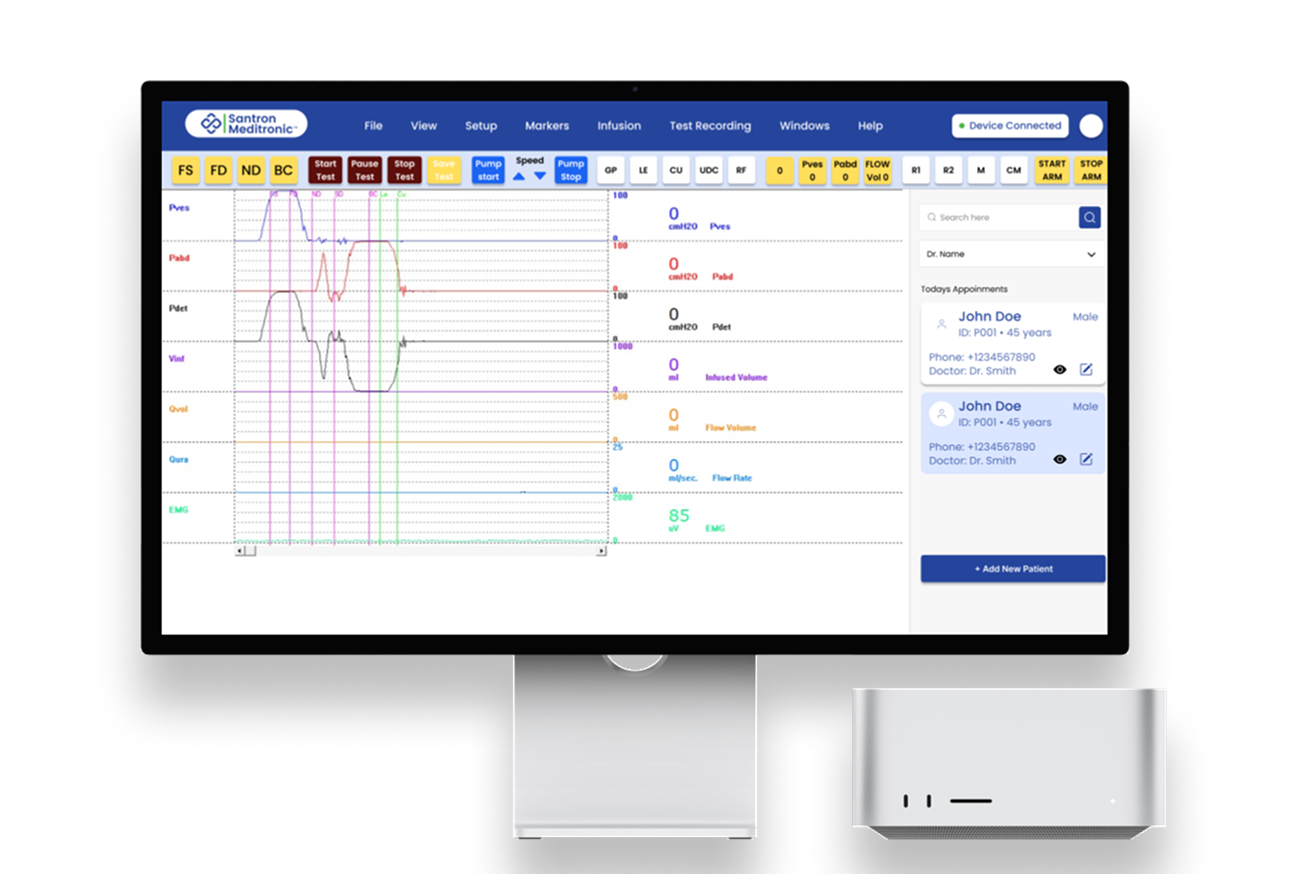
Legacy C++ urodynamics product rebuilt in C# .NET while preserving specialist clinical workflows.
Connected-device experience
BLE, EMG, tablet workflows, device status, sensor data, and diagnostic visualization.
Healthcare data awareness
Patient records, reporting, HL7, DICOM, APIs, and integration-ready architecture.
Workflow-heavy platforms
Roles, reviews, documents, certificates, reminders, and long-running operational processes.
Case studies
Relevant proof across medtech, healthcare IoT, and process-heavy healthcare operations
A focused set of healthcare and operational platforms where product complexity, workflow depth, and engineering reliability mattered more than shipping another generic application.
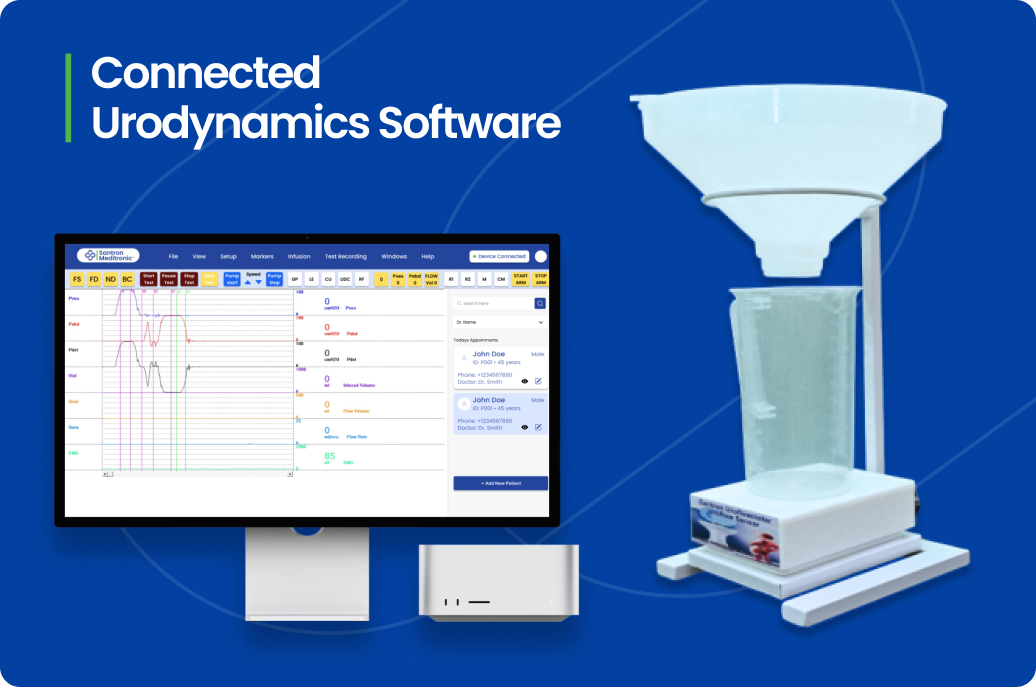 Santron Meditronic software screen
 01Connected urodynamics software
Santron Meditronic
Legacy C++ urodynamics software rebuilt in C# .NET with connected diagnostic workflows.
Read case study →.png) Zenith software screen
Zenith software screen 02Certification workflow platform
Zenith
Certification workflow platform for applications, quotations, audits, reviews, certificates, and renewals.
Read case study →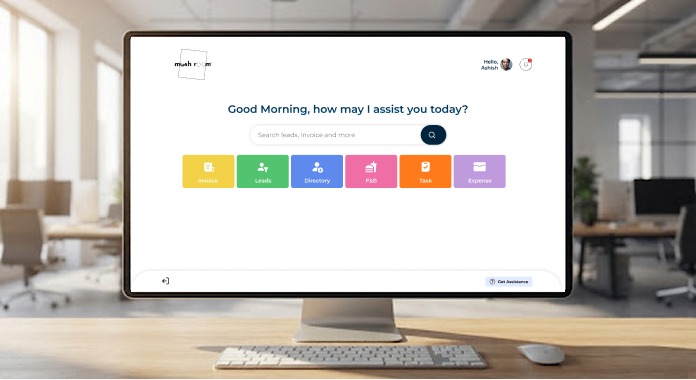 Mushroom Spaces software screen
 03Workspace management SaaS platform
Mushroom Spaces
End-to-end workspace management platform for members, bookings, inventory, invoices, F&B services, and analytics.
Read case study →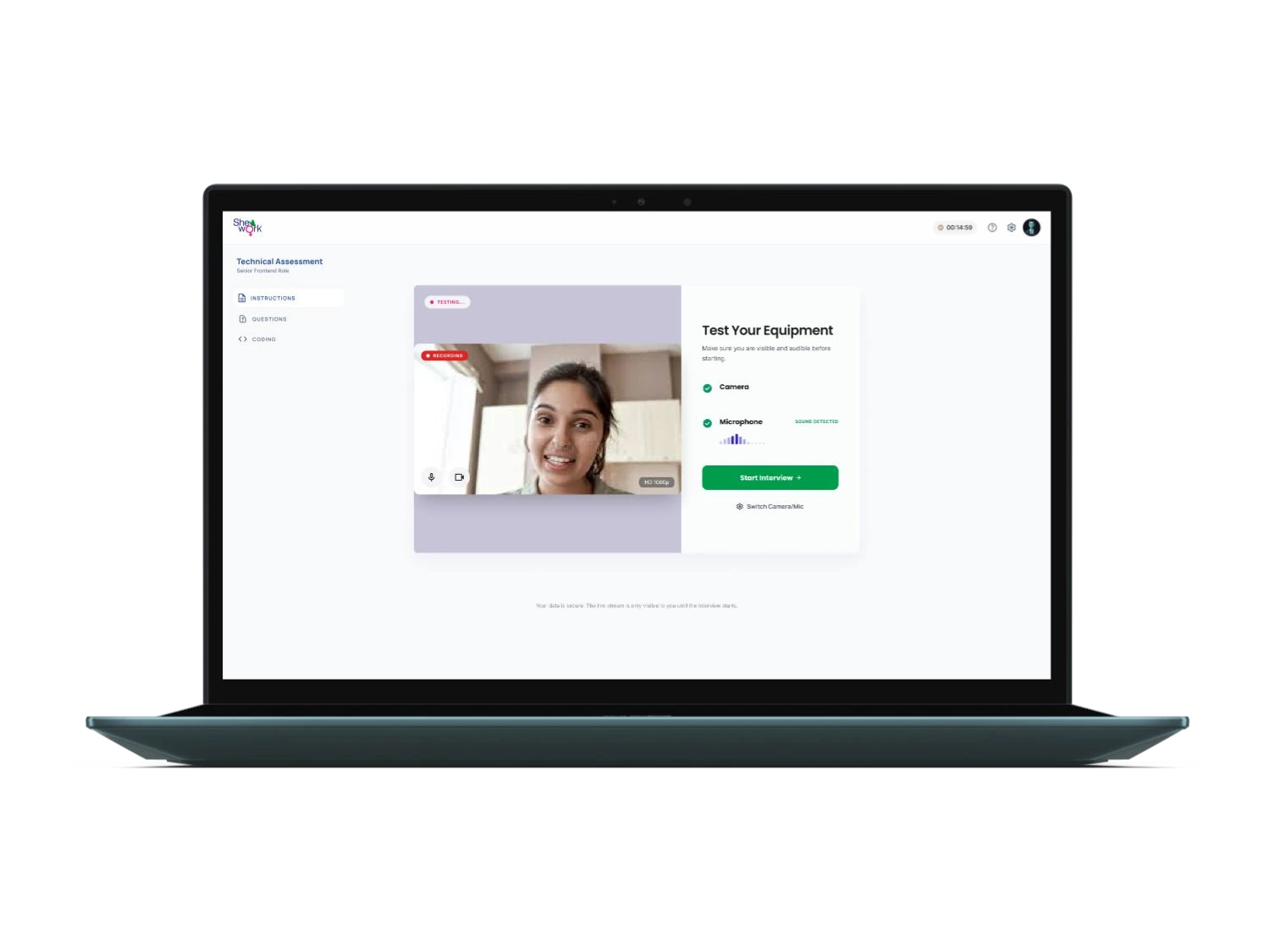 AI Interview Platform software screen
 04AI recruitment and interview intelligence platform
AI Interview Platform
AI-powered recruitment SaaS with two portals, 30+ intelligence modules, multi-modal evaluation, assessments, and reports.
Read case study → Delivery lifecycle
A practical path from product uncertainty to reliable software
We make the work visible early, connect decisions to real workflows, and keep delivery accountable from discovery through long-term support.
Discover workflows
Map users, device behavior, clinical workflows, data flows, documents, integrations, and product risks.
Define architecture
Shape the system model, technology direction, integration strategy, and delivery roadmap.
Design product experience
Create clear workflows for clinicians, operators, admins, patients, or connected-device users.
Engineer software
Build desktop, web, mobile, cloud, integration, and device-connected software with accountable delivery.
Integrate systems and devices
Connect hardware, BLE workflows, APIs, HL7, DICOM, reporting, and operational systems.
Support testing and evolution
Assist with validation, release readiness, implementation feedback, maintenance, and product growth.
What you get
Engineering outcomes that matter beyond launch
01Modernized legacy platform02Connected device workflows03Clear patient and test data flows04Integration-ready architecture05Maintainable codebase06Long-term support model
Technology and integrations
Tools and integration areas we commonly support
We choose technology around product constraints, existing systems, device behavior, integration needs, and the team that will support the software after launch.
Product engineering
Desktop, web, tablet, and mobile software selected around product constraints and long-term support.
Device and clinical data
Connectivity and data exchange patterns for connected-device workflows and healthcare information.
Cloud and intelligence
Cloud services, reporting, and practical AI layers where they improve operations or product experience.
Compliance-aware delivery Zenith partnership Specialist certification workflow expertise where process risk matters.
Software built with awareness of documentation and review-heavy workflows
We do not replace regulatory consultants. We engineer software with attention to documentation, role-based access, review workflows, traceability, integrations, and certification-heavy operations.
- Role-based access and audit-ready document flows
- Review, approval, renewal, and reminder workflows
- Traceable operations for certification-heavy teams
FAQ
Questions medtech teams usually ask
Short answers for teams evaluating software partners for medical-device software, healthcare IoT, modernization, and integration-heavy workflows.
01 Do you build software for medical devices?
Yes. We build device-adjacent software such as diagnostic workflows, desktop applications, tablet interfaces, companion apps, and connected-device platforms.
02 Can you modernize legacy healthcare software?
Yes. Santron is an example where we rebuilt a legacy C++ urodynamics platform in C# .NET while preserving specialist clinical workflows.
03 Do you support HL7 and DICOM?
Yes. We support healthcare interoperability work including HL7 and DICOM integration where the product requires clinical data or diagnostic file exchange.
04 Can you build tablet or mobile apps for connected devices?
Yes. We build mobile and tablet applications for connected healthcare products, BLE workflows, device status, alerts, and user guidance.
05 Can you work with certification or compliance-heavy workflows?
Yes. We build software with awareness of documentation, role-based access, review workflows, traceability, and certification-heavy operations.
Medtech software roadmap
Need a clearer path for medtech software modernization or connected-device delivery?
Share the product context and we will help identify the right engineering path, risks, and first useful delivery step.
- Current product or workflow
- Device, data, and integration needs
- Practical next delivery step